

How to Spot a Genuine Leather Sofa
This sofa is a great addition to any space. The leather upholstery is incredibly soft. People love its simple design, and the high-quality genuine leather upholstery.
Untrained eyes might have trouble in discerning the difference between real and fake leather. Here are six suggestions to help you differentiate between the two: 1. Edges that are rough.
1. Labels are crucial
Real leather is hard to duplicate. It has a distinctive appearance and feel. It's also robust and easy to clean. It does not absorb body oils, making it ideal for families with allergies. Not all leather sofas are created equal. In fact, some sellers have even been known to misrepresent PVC as genuine leather.
Understanding the different types leather will help you avoid being scammed. This includes determining the full grain and top-grain leather, and also evaluating the quality of the material used in the upholstery. Don't hesitate to ask discerning retailers for this information.
To identify a genuine leather sofa you must first examine the label. modern leather sofa should clearly indicate the type of leather used to cover the sofa and any other materials, such as fabric or cotton. Reputable suppliers should also have clear policies regarding return or exchange if you are not happy with the purchase.
If the sofa doesn't come with a label, you can still work out its authenticity by looking at the fabric backing or by opening the cushion casing to look for synthetic materials. You can also look at the texture of the leather and determine whether it's got any flaws or bumps as these are telltale signs that you're dealing in fake or the leather is bonded.
You can also test the sofa's integrity by rubbing its surface. Genuine leather has an incredibly soft and smooth texture, while faux or bonded leather will be coarser and feel more like suede. You should also be able to feel the difference between the wrinkles, bumps, and printed patterns of faux leather and genuine leather.
A genuine leather sofa is more expensive than a imitation counterpart, but it will last longer. It can become a family heirloom over time. You can reduce the damage caused by sun as well as ozone, heat and humidity by placing your leather sofa in a cool, dark area far from fireplaces, heaters and air cooling units. Additionally, you can use leather protection creams to keep your sofa supple and sturdy.
2. Look at the back
If the label does not indicate what kind of leather is used in a sofa, it's essential to examine it close. The scent, the feel and the back are all obvious indicators.
When you get a feel of genuine leather, it may not feel smooth and silky. This is because animal hides come with a variety of pores that allow them to breathe. A product that feels totally smooth could be fake leather.
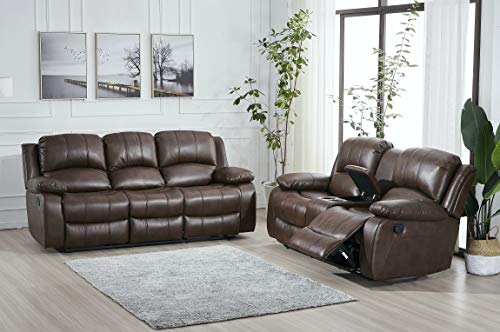
Another thing to look for is bumps or an uneven surface. Genuine leather is made by rubbing away some of the rough outer layer. However, if the material you use to cover your sofa is made of top-quality leather, it will still have a few bumps.
You can also test leather by putting your finger into it and then running it across it. If it's genuine the leather will stretch and wrinkle a bit, just like human skin. This allows the leather to breathe and prevents it from becoming dry or cracked as time passes.
Faux leather is uniform in pattern because it is printed, whereas genuine leather is prone to imperfections that add to the beauty and durability of the leather. This includes creases, scratches and scuffs. A genuine leather sofa will be soft and slightly stiff when it's new, but it should not crack or dry out over time if regularly maintained with a specific leather protection cream.
Certain furniture manufacturers mix real leather with synthetic leather to save money. The 'contact' areas, such as seats and armrests as well as backs, are made from real leather, whereas the non-contact portions like the outside and base arms, are upholstered with a cheaper polyurethane or leather-like synthetic fabric. This is a standard practice and even if the couch has a genuine leather label, you should check it carefully to see what the backing is made of, as this is an instant giveaway that it isn't true genuine leather.
Pricing and labels can point you in the right direction, but to truly ensure that a sofa is genuine leather, it's important to get up close and personal with it. Check the back of the sofa for traces of polyurethane which is a sign that it's not genuine leather.
3. Check out the seat
A genuine leather sofa's seating is an indicator of its quality. Genuine leather is distinct from faux leather, which uses a combination of materials. It has a unique texture and feels soft when you touch it. Be aware of bumps on the surface and a strong, natural smell. These features distinguish genuine leather from fakes or low-grade leather.
If the leather is stitched in a single, large piece, this is another obvious sign. This is common with faux leather. However, if it's on genuine top-grain leather, you should avoid the sofa.
Labels and pricing can give you an idea, but the only way to determine is to get up close with the furniture. Real leather is not perfect, and it should feel uneven to the feel. It will also have rough edges and fat wrinkles underneath the surface. The suppleness of genuine leather is different from synthetic materials, and the temperature of the furniture will tell whether it's constructed with authentic materials.
Leather sofas are a mainstay of interior design, and with good reason. They're stylish, durable, and long-lasting. It's also easy to clean and resistant to liquid spills. This makes it a perfect choice for families who have children or pets. The best thing about genuine leather, however, is that it's a classic design that won't go out of style and is available in a variety of price points.
For a timeless leather couch that can endure the test of time, think about the Pottery Barn Turner. This two-seater may be quite expensive however it's made of top-quality leather that can last for a lifetime. It's a great choice for those with limited space as it comes in with three sizes and will fit in almost any room.
This All Modern Geo Genuine Leather sofa is a great option if you want something modern. This mid-century modern-inspired sofa features an angular, sleek design with a round pillow and an elegant frame. The frame is made out of composite, plywood and plastic, this sofa is made of genuine leather in the seating area, which is a welcome improvement over Ikea's faux-leather sofa that won the CHOICE's "Shonky" award in 2015.
4. Look at the smell
Genuine leather has a distinct scent. It's a natural, organic scent that cannot be duplicated. If the sofa you're considering buying has a strong synthetic smell it's not authentic. This is usually caused by the chemicals that were used to make leather. These chemicals can linger on the furniture even after it's been made.
You can test the quality of leather by running your fingers along the surface. Real leather will have lumps and bumps just like the human skin. If it feels smooth and cold, it's probably faux or bonding.
You can also open one of the cushions and look at the back. False and bonded leather may have a polyurethane backing that supports the fabric, whereas true leather has an untreated backing that is similar in appearance to coarse suede. If the couch has a woven backing it is not real leather.
Peter advises that if you are trying to determine if the sofa is authentic the best way to determine authenticity is to place it against your body and gently run your fingers across the surface. The roughness of the leather should cause your fingers to become dull, and the surface will stretch and wrinkle a little. It should also feel warm to the contact.
Reversing the sofa to its back and checking the upholstery will let you know if the sofa is genuine. False and bonded leathers will have a plastic coating on the back of the sofa, while genuine leather will be a single piece of leather that covers the entire back of the couch.
When deciding on the quality of your leather sofa, take into consideration how much use it is likely to get and how long you'd like it to last. The more you use your couch the more attention it will require. Peter suggests a regular, gentle cleaning with a leather conditioner. This will help to keep the leather's softness and prevent it from drying out and becoming hard.